Emotional Effects of the Heat
October 6, 2017 Elsa Orlandini
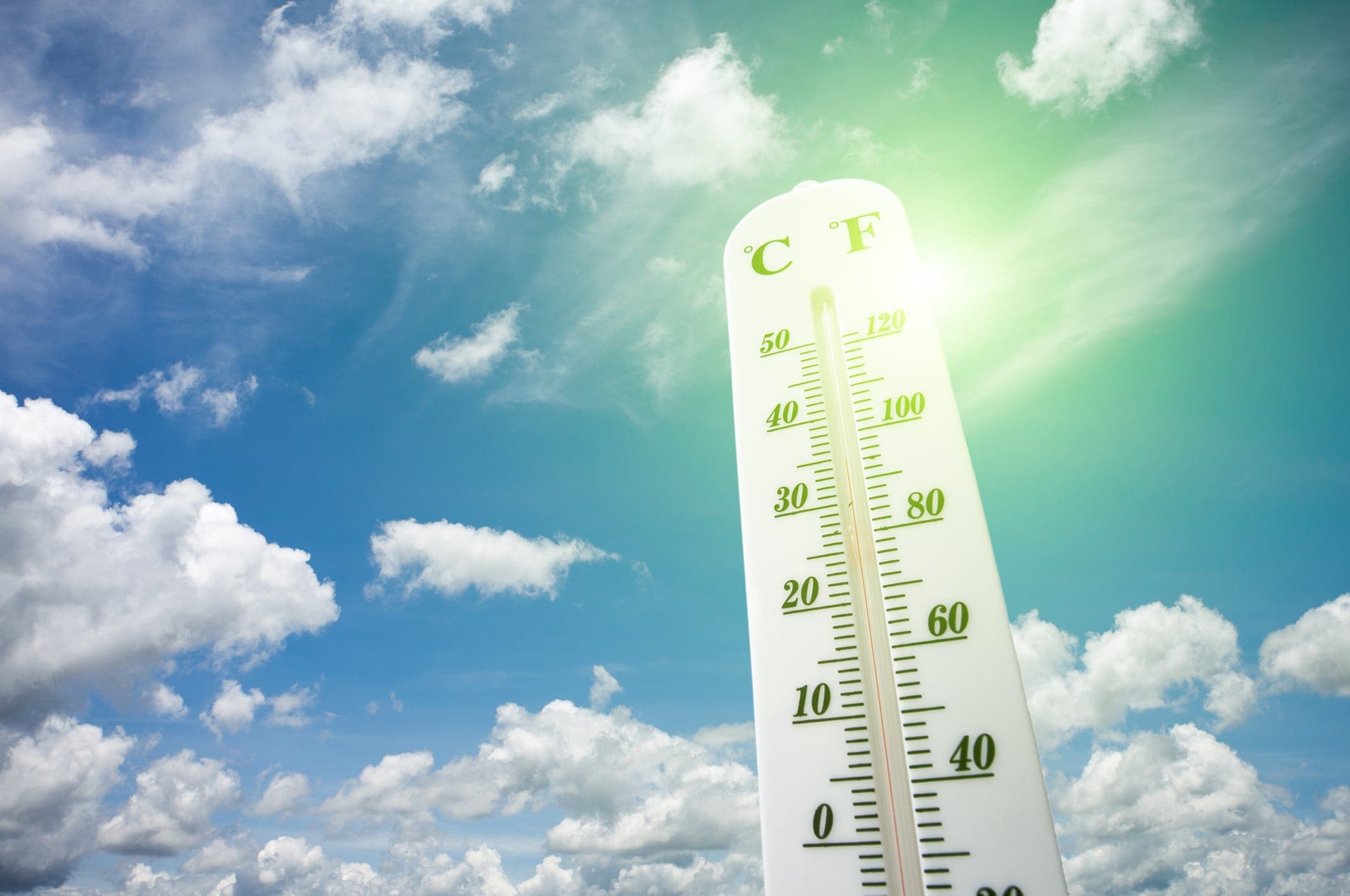
There is significant research related to how weather affects our moods and emotions. Florida residents just experienced record breaking heat and emotional effects of the heat.
Florida is known for its hot weather and the scorching heat we experience over the summer often impacts some individuals emotionally. Many individuals state that they become more irritable or cranky when the temperature rises. The reason for emotional effects of the heat is that hot and humid temperatures have been found to affect sleep, concentration, and motivation.
Emotion effects of the heat
It has been noted that individuals are more likely to make errors at work when temperatures exceed 95 degrees Fahrenheit primarily due to symptoms associated with overheating and dehydration. Additionally, high levels of heat raises the risk of heat strokes, increases blood pressure, and dehydration in many. Higher rates of inpatient hospitalizations have been noted during warmer months often due to increased aggressiveness or suicidal attempts. According to a study by the National Institute of Health, hospital admissions increased by 7.3% during heat waves, indicating that increasing temperatures pose a negative effect to those experiencing mental health difficulties.
Based on research completed focused on the emotional effects of heat, it is important to maintain routines and remain active while minimizing the negative side effects produced by the heat. In order to do this, it is first important to stay hydrated, get rest, and plan to go out in the morning or evenings when the temperature tends to be cooler. Many individuals also enjoy participating in activities that may help cool them down, such as going to the beach or doing water sports. Additionally, parents with younger children may attempt to avoid any outdoor activities or may plan to take the children out only during cooler hours. We often take additional steps to cool the car down before getting in and plan frequent cooling off periods throughout the day.
The significant effects of the heat is the primary reason why certain countries with warmer climates have adopted the afternoon “siesta” or nap. These siestas tend to occur during the hottest part of the day, allowing individuals to rest and return to their daily activities during cooler parts of the day. Taking a break from the heat helps individuals remain more patient and decreases irritability in many. Being aware of the effects of the weather on our emotional state is extremely important in order to maintain a positive emotional state and remain productive.
Please contact Miami Psychology Group if you are interested in psychotherapy services. We serve Miami and Miami Beach areas.
Frequently Asked Questions
Posted in
Written by
Elsa Orlandini
Related Articles

Procrastination Isn't Laziness: Why Smart, Motivated People Procrastinate
In a fast-paced world where productivity is often equated with worth, procrastination gets a bad rap. Emerging insights from psychology reveal that procrastination is far more nuanced, often rooted in emotional challenges rather than a character flaw.

5 Paths Forgiveness Can Lead You Down—Including One That May Hinder Healing
Forgiveness is often celebrated as a cornerstone of emotional healing, but its impact varies widely depending on context, intent, and timing

Addressing the Surge in Youth Mental Health Challenges
Our team is dedicated to offering compassionate therapy for children and adolescents, focused on building emotional resilience and coping...