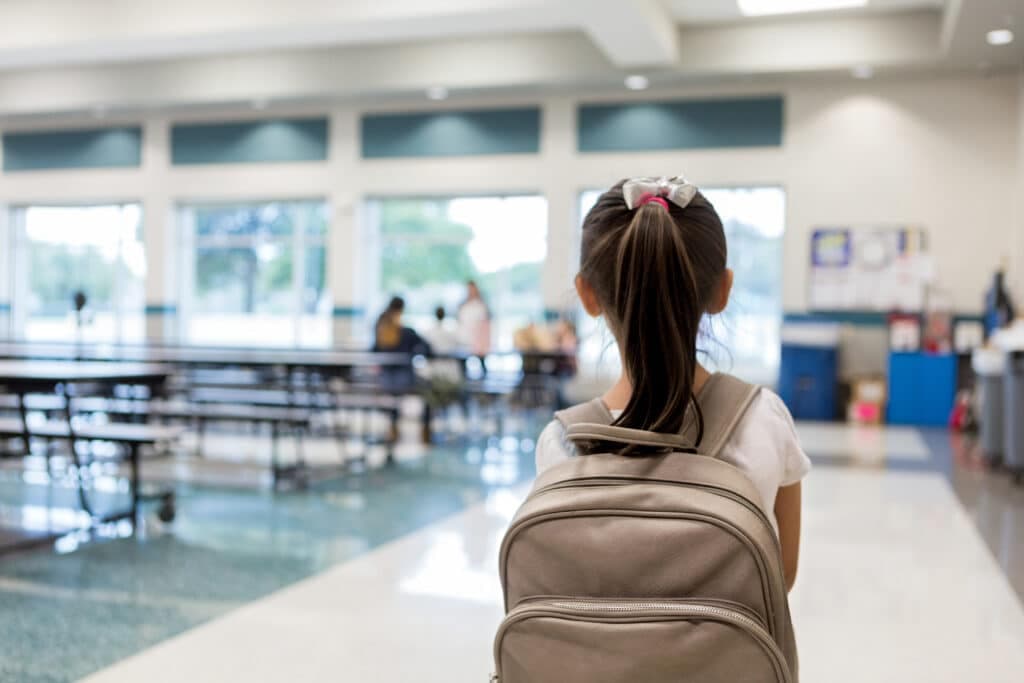
Helping Children Adjust to In-Person Learning
April 1, 2021 Elsa Orlandini
It has been a year since the pandemic began, which for many individuals means a full year of virtual school, work from home, and being at home with our pets on a daily basis. Now we are beginning to see glimpses of life going back to normal and that can seem scary for many. Many children and adolescents have been spending more time at home and have finally adjusted to a virtual learning environment. It is common for many adolescents to say they prefer remote learning due to the convenience that online learning provides. In addition, many teenagers have benefited from being away from peer conflict and other social stressors they faced at school. Many describe being away from these stressors as a relief and find it is easier to communicate with their friends virtually.
Helping Children Adjust to In-Person Learning
Tips for Easing Back-to-School Stress
Many parents are expressing concerns regarding their children not wanting to return to school once schools fully open. The following tips may be helpful to get your kids back to school and help them adjust back to in-person learning:
\-Talk to your child openly about going back to school. Ask open-ended questions to find out if they feel nervous or anxious about returning to their school environment. Validate their feelings and help them come up with a plan to overcome anxiety-provoking situations.
\-Encourage and help your child get back to a healthy routine. Going to bed at an appropriate time and waking up early in the morning at least a week before the first day of school will help your child establish a healthier sleep routine. Many children and adolescents have gotten used to going to bed late and sleeping in later than usual while enrolled in online school.
\-It may also be important to help your child reevaluate their hygiene before returning to school. Many parents have expressed concerns related to an overall decrease in hygienic behaviors. Due to staying home, many teens have reported showering less due to not having to leave the home. Other important routines, such as brushing their teeth, shaving, and wearing deodorant have also been impacted.
Many children may be reluctant to return to school if COVID-19 is still a concern. Some children may fear getting sick, while some may also fear getting their family members sick. During stressful times, children tend to look to their parents and teachers for reassurance. It is important to model confidence and provide your children with the reassurance they may need if they return to in-person school. Help them understand why certain precautions may be taken and why certain measures are put in place to keep them safe.
Adjusting to a new normal may be difficult for individuals of all ages. Many children and adolescents have been enrolled in virtual school and have been completing all of their academic work from home. Many young children and teenagers are nervous about returning to in-person learning and are unsure of how to navigate the social world they left behind one year ago. If you look for ways of helping children adjust to in-person learning, and if your child if facing significant difficulties returning to school , they may benefit from meeting with a licensed psychologist in order to develop effective ways to cope with changes. Qualified psychologists at Miami Psychology Group are currently accepting new patients in the Miami and Miami Beach area. Virtual therapy is available.
Frequently Asked Questions
Written by
Elsa Orlandini
Related Articles
School Refusal or Avoidance
It is estimated that 2-5% of children experience some form of school avoidance. Significant separation anxiety from a parent, fear of being in a crowded place, social anxiety and more...
Addressing the Surge in Youth Mental Health Challenges
Our team is dedicated to offering compassionate therapy for children and adolescents, focused on building emotional resilience and coping...
Bullying at School
Bullying at school is a problem that has gained significant awareness the past few years. Many believe that the prevalence of bullying behaviors has