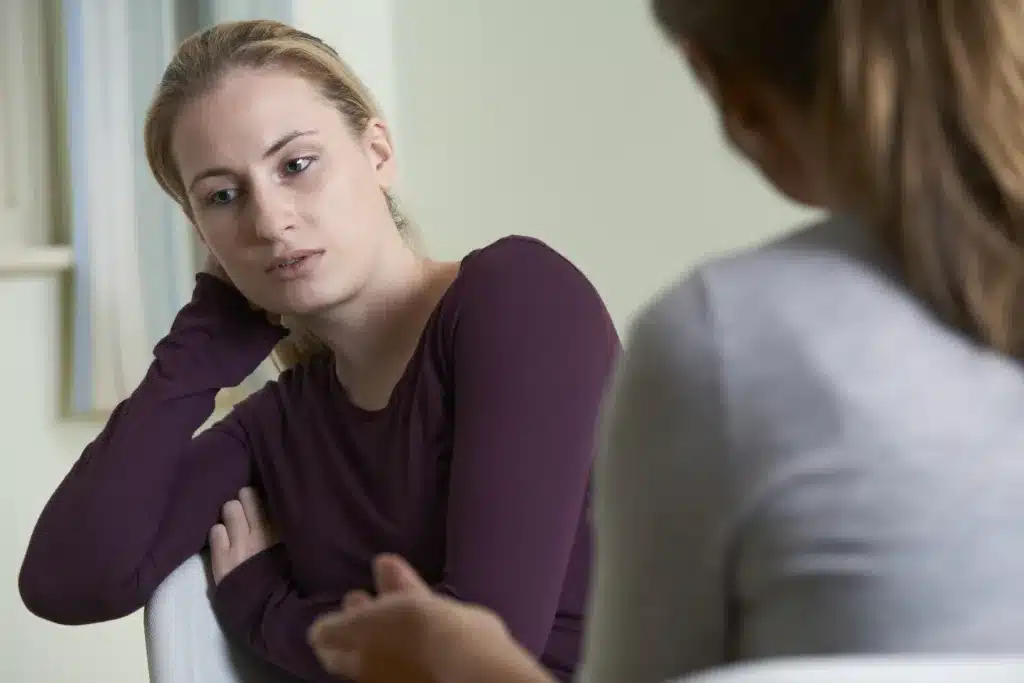
How Psychologists Assist Couples with Communication Barriers
October 31, 2023 Elsa Orlandini
Communication is often hailed as the foundation of any successful relationship. Yet, even in the most loving partnerships, communication barriers can emerge, creating misunderstandings, frustrations, and rifts. Addressing these barriers is crucial for relationship health, and psychologists specialized in this area play an invaluable role in bridging these gaps.
The Complex World of Communication Barriers
Communication barriers in relationships can arise from a myriad of sources, including past traumas, cultural differences, personal beliefs, or simply a lack of effective communication skills. These barriers can prevent couples from understanding each other’s feelings, needs, and concerns, leading to feelings of isolation and discontent.
The Role of a Psychologist in Tackling Communication Barriers
Identifying the Root Cause:
A trained psychologist begins by identifying the root cause of the communication breakdown. Is it based on past experiences, fear of vulnerability, or perhaps differences in communication styles? Understanding the ‘why’ is the first step in addressing the ‘how’.
Offering Tools and Techniques:
Psychologists provide couples with practical tools and strategies to enhance their communication. This can include active listening exercises, assertiveness training, or techniques to ensure each partner feels heard and understood.
Creating a Safe Space:
In therapy, couples have a neutral and safe space to express their feelings and concerns without judgment. This environment fosters honesty and encourages partners to open up about issues they might find challenging to discuss elsewhere.
Facilitating Mutual Understanding:
Through guided discussions, role-playing, and exercises, therapists help partners see things from each other’s perspectives, fostering empathy and mutual understanding.
Choosing the Right Psychologist for Communication Challenges
Specialization Matters:
When seeking therapy for communication issues, it’s essential to find a psychologist with a specific focus or experience in this area. Their nuanced understanding can make a significant difference in therapy outcomes.
Comfort is Key:
Therapy requires openness, so it’s crucial for both partners to feel comfortable with the psychologist. It might be helpful to have an initial consultation to gauge compatibility.
Explore Therapeutic Approaches:
Different psychologists might employ varied therapeutic approaches to tackle communication barriers. Couples should inquire about these methodologies to ensure they align with their comfort levels and expectations.
Strategies to Overcome Communication Hurdles
Practicing Active Listening:
Listening is just as vital as speaking. Active listening involves truly focusing on the speaker, refraining from formulating a response while they’re talking, and providing feedback that indicates genuine understanding.
Employing “I” Statements:
Using “I feel” rather than “You always” can prevent defensiveness and promote clearer, more effective communication.
Regular Check-ins:
Setting aside regular times to check in with each other about feelings, concerns, or simply daily happenings can foster a habit of open communication.
Seeking Ongoing Support:
Some couples benefit from ongoing therapy sessions, ensuring they continue to employ effective communication strategies and address any new barriers that arise.
Conclusion: Bridging Gaps and Building Bonds
Effective communication is an ongoing journey. While challenges are inevitable, they’re not insurmountable. With the guidance and support of a trained psychologist, couples can break down the barriers hindering their connection, paving the way for a relationship rooted in mutual understanding, trust, and deep emotional intimacy.
By investing in therapy, couples demonstrate a commitment to their relationship’s health, ensuring that their bond remains strong, resilient, and ever-evolving. After all, in the world of relationships, understanding and being understood is the heart of genuine connection.
Frequently Asked Questions
Posted in
Written by
Elsa Orlandini
Related Articles

5 Weekday Habits of the Happiest Couples
Psychologists reveal that truly happy couples don't just wait for the weekend to reconnect; they actively weave small, meaningful habits into

7 Keys to a Lasting Relationship
Building a lasting relationship is less about finding the "perfect" person and more about creating a resilient system together. Miami
Advantages of Couples Therapy Following Infidelity
Extramarital affairs can shatter our perception of reality, triggering profound feelings of betrayal. Nevertheless, engaging in couples therapy after such…