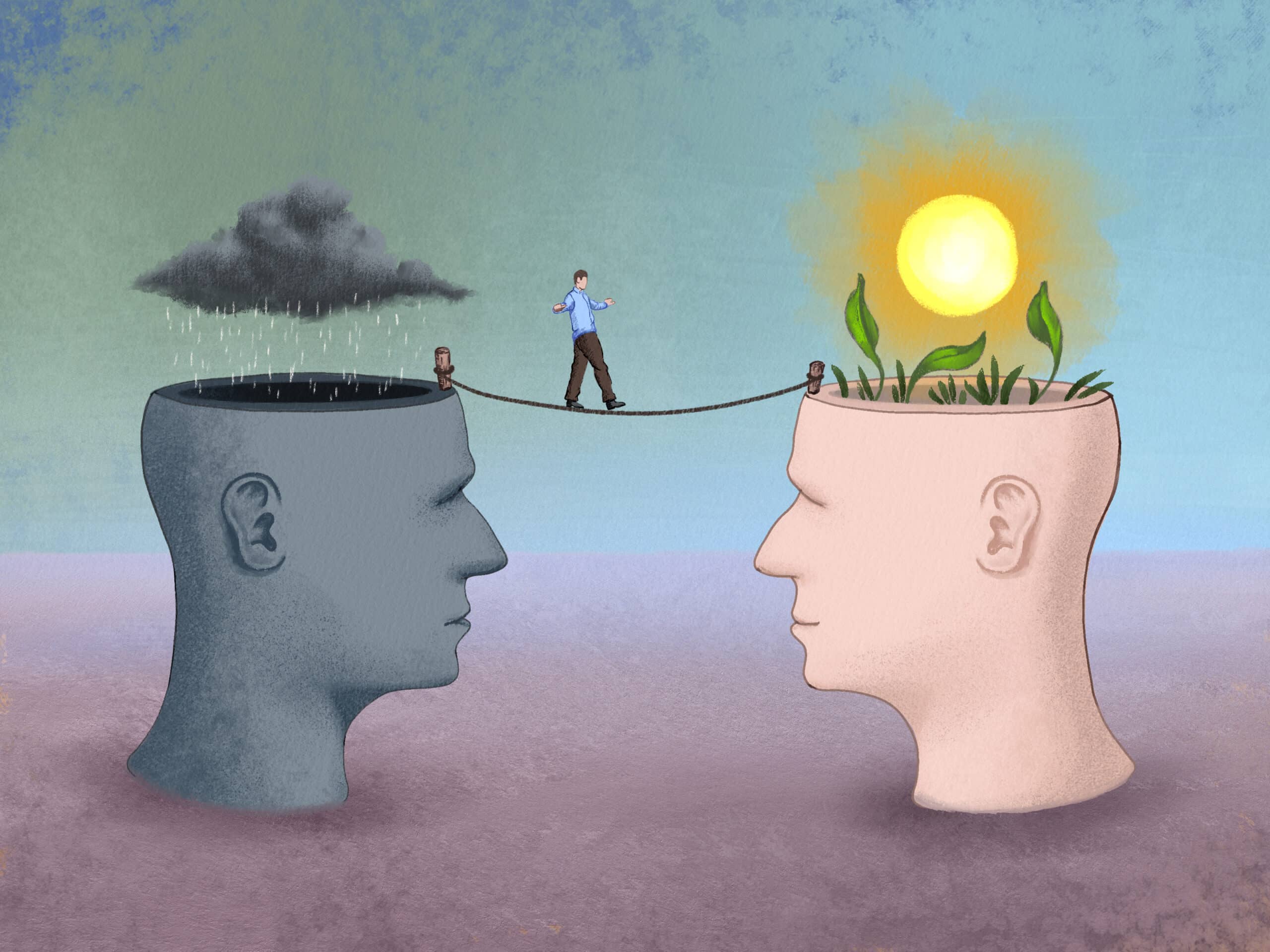
Understanding Depression
June 2, 2025 Elsa Orlandini
Depression is more than just feeling sad or having a bad day. It’s a serious mental health condition that affects millions of people worldwide, impacting how they think, feel, and navigate daily life. As one of the most common mental health disorders, depression can cast a heavy shadow over relationships, work, and personal well-being. However, with the right support and treatment, understanding depression and recovery is not only possible but achievable.
Understanding Depression
What is Depression
Depression, or major depressive disorder (MDD), is characterized by persistent feelings of sadness, hopelessness, or a lack of interest in activities once enjoyed. It can manifest in various ways, from emotional lows to physical symptoms that disrupt everyday functioning. Unlike temporary mood swings, depression lingers, often for weeks, months, or longer if untreated.
According to the World Health Organization, over 264 million people globally live with depression. It doesn’t discriminate – it affects people of all ages, backgrounds, and walks of life. While the causes are complex, they often involve a mix of genetic, biological, environmental, and psychological factors.
Common Symptoms of Depression
Recognizing depression is the first step toward healing. Symptoms can vary in intensity and may include:
Emotional Symptoms: Persistent sadness, emptiness, or irritability; feelings of worthlessness or excessive guilt; loss of interest in hobbies or activities.
Physical Symptoms: Changes in appetite or weight (eating too much or too little); sleep disturbances (insomnia or oversleeping); fatigue or low energy; unexplained aches or pains.
Cognitive Symptoms: Difficulty concentrating, making decisions, or remembering things; recurrent thoughts of death or suicide.
Behavioral Symptoms: Withdrawing from social activities, neglecting responsibilities, or reduced productivity.
If you or someone you know experiences these symptoms for more than two weeks, it may be time to seek professional help.
Causes and Risk Factors
Depression doesn’t have a single cause. It often results from a combination of factors, including:
Biological Factors: Imbalances in brain chemicals like serotonin and dopamine can influence mood regulation.
Genetics: A family history of depression increases the likelihood of developing the condition.
Environmental Stressors: Trauma, loss, financial struggles, or chronic stress can trigger or worsen depression.
Personality Traits: People with low self-esteem or those who are highly self-critical may be more vulnerable.
Medical Conditions: Chronic illnesses, such as cancer or diabetes, or hormonal changes, like those during pregnancy or menopause, can contribute.
The Impact of Depression
Left untreated, depression can ripple through every aspect of life. It can strain relationships, reduce work performance, and lead to physical health issues like heart disease or weakened immunity. In severe cases, depression can lead to self-harm or suicide. The National Institute of Mental Health reports that suicide is a leading cause of death, particularly among young adults, underscoring the urgency of addressing depression early.
Treatment and Coping Strategies
The good news is that depression is treatable, and many people find relief through a combination of professional support and self-care. Here are some common approaches:
Therapy: Cognitive Behavioral Therapy (CBT), Interpersonal Therapy, or other evidence-based therapies help individuals reframe negative thought patterns and develop coping skills.
Lifestyle Changes: Regular exercise, a balanced diet, adequate sleep, and mindfulness practices, such as meditation, can support mental health.
Social Support: Connecting with trusted friends, family, or support groups can reduce isolation and provide emotional encouragement.
Professional Guidance: Working with a psychologist or counselor offers tailored strategies to manage symptoms and work toward recovery.
Breaking the Stigma
Despite its prevalence, depression is often misunderstood, and stigma can prevent people from seeking help. Many feel ashamed or believe they should “snap out of it” on their own. However, depression is not a sign of weakness – it’s a medical condition that deserves care and attention, just like any physical illness.
By openly discussing mental health and seeking support, we can normalize conversations about depression and empower those struggling to take the first step toward healing.
When to Seek Help
If you or a loved one is experiencing symptoms of depression, don’t wait to seek help. Early intervention can make a significant difference. Warning signs that professional support is needed include:
Persistent feelings of sadness or hopelessness
Thoughts of self-harm or suicide
Inability to carry out daily tasks
- Withdrawal from social connections
If you’re in crisis, contact a local emergency hotline, such as the 988 Suicide & Crisis Lifeline in the United States, immediately.
Take the Next Step with Professional Support
Living with depression can feel overwhelming, but you don’t have to face it alone. Our team of licensed psychologists is here to provide compassionate, evidence-based care tailored to your needs. Whether you’re seeking therapy for the first time or looking to continue your mental health journey, Miami Psychology Group offers personalized support to help you rediscover hope and resilience.
Contact Us Today. We offer individual therapy, cognitive behavioral therapy, mindfulness-based therapy, and telehealth sessions.
Take the first step toward a brighter tomorrow. Schedule a consultation with one of our experienced psychologists today and start your journey to recovery. You are not alone.
Frequently Asked Questions
Posted in
Written by
Elsa Orlandini
Related Articles

5 Paths Forgiveness Can Lead You Down—Including One That May Hinder Healing
Forgiveness is often celebrated as a cornerstone of emotional healing, but its impact varies widely depending on context, intent, and timing

Addressing the Surge in Youth Mental Health Challenges
Our team is dedicated to offering compassionate therapy for children and adolescents, focused on building emotional resilience and coping...

The Effects of Stress on the Body: Understanding the Impact
When stress becomes chronic, it can wreak havoc on both physical and mental health. Professional intervention can make a significant difference.